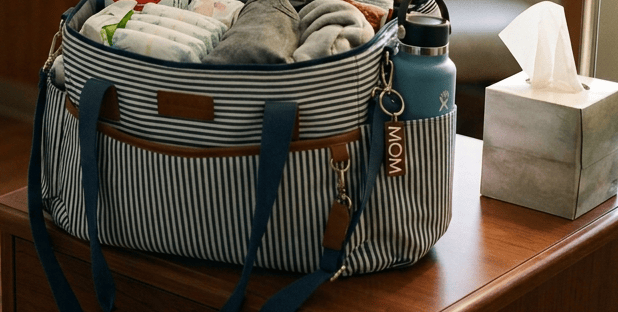
If you are an Indian/Indian-origin pregnant woman preparing to give birth in Germany, packing your hospital bag can be surprisingly confusing. You will find plenty of hospital-bag checklists online, but many are written either for mothers in India or for German families, and neither necessarily reflects what an Indian family living in Germany may want during those first few days.
German hospitals generally provide the medical essentials, and you certainly do not need to move half your house into the maternity ward! But there are several things that can make labour, recovery, breastfeeding and those first nights with your baby considerably more comfortable.
Before You Pack: Do a final check of the website of the hospital where you plan to deliver or ask during your ‘Kreißsaal’ registration. German hospitals differ in what they provide. Depending on the hospital, you may receive things such as hospital wear, maternity pads, disposable underwear, diapers, baby clothes during the hospital stay, towels or basic postpartum supplies.
Also ask about:
- whether your partner can stay overnight
- whether a Familienzimmer (family room) is available and what it costs
- what you need to bring for the baby
- whether food can be brought from home
- whether there is a refrigerator, kettle or microwave available
- what documents you need for admission and birth registration
Knowing this beforehand can save you from carrying a lot of unnecessary things. Now, here is a “suggested” checklist
1. Hospital Bag for the Mother
Clothes
- Comfortable nightgown, ideally with front buttons
- Loose pyjama bottoms or trousers that are not tight at the waist
- Loose tops or nursing tops
- Nursing bras/comfortable bras
- Comfortable underwear (prefer the older soft pairs that you do not mind staining)
- Socks
- Home/bathroom slippers
- Bathrobe
- Loose, comfortable outfit/a nice dress for going back home
Postpartum & Breastfeeding
- Maternity sanitary pads (Wochenbett-Einlagen)
- Postpartum disposable underwear (Wochenbett- Einwegslips/Unterwäsche)
- Breast pads (Stilleinlagen)
- Breastfeeding pillow
- Small muslin cloths or napkins
*Many German hospitals provide maternity pads and some postpartum supplies, so check with your hospital before buying too much.*
Toiletries & Comfort
- Basic toiletry kit: toothbrush, toothpaste, shower gel, facewash, moisturiser, shampoo, conditioner, comb, hairbrush, basic makeup kit, etc.
- Mild, ideally fragrance-free body lotion
- Mild lip balm (extremely useful because your lips and skin can get dry quickly)
- Towel and face towel if your hospital does not provide them
- Glasses/contact lenses and supplies
- Eye mask and earplugs (especially useful if you end up sharing a room)
- Your usual head balm or oil, if that helps you relax before sleeping
- Regular daily medicines (ideally in their original packaging in case the hospital wants to check)
2. Small Things That Are Surprisingly Useful
A few simple items can make a huge difference:
- Large sipper or straw bottle so you can drink without sitting completely upright
- Small water mist/spray bottle to freshen your face and hands
- Long phone charging cable /power bank
- Heat pack for back discomfort, if your medical team allows it
- Downloaded relaxing music
If you are particular about pillows, keep your own pillow, blanket and breastfeeding pillow ready at home. They are bulky, so your partner or family can bring them later if you actually need them.
3. Food & Drinks:
Hospital food in Germany may be perfectly fine (even if is often bread-heavy and served cold), but after delivery you might crave something warm and familiar. Useful things to include:
- Light snacks
- Dry fruits and nuts
- Snack or energy bars
- Crackers or biscuits
- Your favourite tea
- Thermos bottle for warm water
- Insulated/Thermos food container if family will bring home-cooked food
4. Hospital Bag for the Baby
Please remember: newborns actually need very little!
- Muslin or swaddling cloth
- Diapers if your hospital asks you to bring them (usually they provide enough)
- Cotton langot if you want to use them
- 2–3 easy-to-wear bodysuits or front-button opening outfits
- Full-length sleepsuit depending on the weather
- Socks
- Cap
- Baby blanket
- Going-home outfit for the baby
- One small rattle or toy (although your newborn is unlikely to care much about toys at this stage!)
- Car seat (Babyschale) if travelling home by car
5. Hospital Bag for the Partner
Partners often end up spending much longer at the hospital than expected, so pack a small bag for them too.
- One change of clothes and night clothes if overnight stay is possible.
- Home slippers
- Basic toiletry kit
- Snacks and drinks
- Glasses/contact lenses
- Phone charger
- Earphones
6. Important Documents in Germany
Keep all important documents together in one folder.
- Mutterpass
- Health insurance card
- Passport or ID
- Hospital/Kreißsaal registration documents
- Birth plan or any wishes/instruction list for birth, if you have created one for yourself
- List of medications (that you already take on a daily basis), and list of allergies
- Any documents requested by the hospital
For international families, it is also worth checking the documents required by your local Standesamt for registering the baby’s birth well before delivery.
7. Nice-to-Have Extras
Not essential, but useful if you have space:
- Mini USB fan, especially for labour during summer, or for some white noise
- Instax/Polaroid camera
- Baby memory book
- Your daily diary
- Thank-you card or small packaged chocolates for the doctors, midwives or nursing staff
- Extra-long charging cable
- Your favourite small comfort item from home
8. Don’t Overpack
One of the easiest mistakes is packing for every possible situation.
A better idea is to prepare two bags.
- Bag 1 Take to Hospital: everything you need for labour and the first day or two.
- Bag 2 Keep Ready at Home: extra clothes, additional pads, your own pillow, breastfeeding pillow, blanket, additional snacks and other comfort items. Your partner or family can bring the second bag later if required.
9. A Few Extra Tips/Questions for Indian Families in Germany
Before the due date, think about a few things beyond the hospital bag:
- Food: Who can bring you home-cooked food if you want it?
- Family: If your parents are travelling from India, who will manage things at home during your hospital stay? Perhaps already create stick notes at home listing what is where, or for how to use washing machine/dishwasher etc.
- Transport: How will you get to the hospital when labour starts?
- Car seat: If you are travelling home by car, install or practise using the baby car seat beforehand.
- Language: If German is not your strongest language, save a few important medical words and questions on your phone.
- Postpartum help: Having someone organise meals, groceries, laundry and basic household work after you return home can be far more useful than buying more baby products.
My Absolute Essentials
If I had to reduce the entire list to the things I would definitely take, they would be:
- Mutterpass, health insurance card and ID
- Front-button nightgown
- Loose clothes
- Comfortable underwear
- Maternity pads
- Nursing bra and breast pads
- Slippers and socks
- Basic toiletries
- Lip balm and moisturiser
- Large sipper bottle
- Phone and long charger
- Regular medication
- A few favourite snacks
- Baby’s going-home clothes
- Muslin cloth
- Baby blanket
- Car seat if travelling by car
Please remember that German hospitals already have most of the medical essentials you will need. What really makes a difference are the small things that help you feel comfortable: familiar food, warm water, loose clothes, your favourite balm, a good water bottle and a few things that make the hospital room feel a little more like home.
P.S. Food I usually had around/before and after delivery:
Non-spicy poha; suji upma; idli with coconut chutney and non-spicy sambar; daliya; toasted bread with butter; fruits like pear, apple, banana and berries; yogurt; moong-dal khichdi; dal-rice; roti with any non-spicy green sabzis like lauki or bhindi; vegetable soup with bread; milk with biscuits; haldi milk; dried fruits and nuts; panjiri; gond laddoo; methi laddoo; ajwain laddoo; and saunf water. Mostly all meals were ghee-rich preparations!

